











 Anita Valentinova
Managing rental equipment availability in real time is no longer a competitive advantage, it's a baseline expectation. When a customer calls to confirm a booking and your team is still cross-referencing a spreadsheet, you've already lost ground.
This guide breaks down the proven best practices rental businesses use to eliminate double-bookings, reduce idle inventory, and give customers the accurate availability information they need faster.
1. Why Real-Time Equipment Availability Matters More Than Ever
Equipment may appear available in your system even when it's still out on a job site, in transit, or under maintenance. That single gap in visibility — a skid steer not checked back in after a weekend rental — can cascade into project delays, penalty fees, and a damaged client relationship.
The status of your rental equipment is never static. It moves between job sites, changes condition, goes in for repairs, and returns in varying states of readiness. When your teams don't update equipment availability in real time, you run the risk of overbooking which damages both profitability and reputation, especially for customers running time-sensitive projects who expect dependable availability.
The businesses that win on availability aren't just faster, they're more systematic. The practices below are what separate them from operators still reacting to problems after they've already cost money.
2. Keep Your Equipment Status Always Current — Not Just at Check-In/Check-Out
Most rental operations update availability at the two obvious moments: when equipment leaves and when it comes back. That's not enough. Equipment status needs to reflect reality at every point in between — when it's flagged for repair mid-rental, when it's delayed in transit, or when a return gets pushed by a day.
Build a discipline of status updates across your operation. Every team member who touches an asset — in the warehouse, in the field, in logistics — should have a clear, low-friction way to update its status in real time. Whether that's a mobile scan, a status flag in your platform, or a quick update from the field, the goal is the same: your availability data should never be more than a few minutes behind reality.
This is the foundational habit that makes every other best practice in this list actually work.
3. Build a Centralized, Single Source of Truth for Your Inventory
One of the most common operational failures in rental businesses is fragmented data — availability tracked in one spreadsheet, maintenance history in another, and bookings in a third. A centralized database acts as your single source of truth: serial numbers, purchase dates, current condition, availability, maintenance history — all in one place.
The equipment rental business is too complex to be managed with spreadsheets and paper records. You need the means to store, update, and access information that is not siloed and gets updated in real time so that the right decisions can be made on time.
Without this foundation, every operational decision carries risk. Your staff can't confirm availability confidently, and customers can't trust your booking process.
4. Use Barcode, QR, or RFID Tagging for Accurate Check-In/Check-Out
Manual check-in and check-out processes are where availability data breaks down. Barcodes, RFID tags, and QR codes make it easy to scan and track your equipment regardless of operation size. Every piece of equipment gets a unique tag that ties back to your inventory database — giving you a quick snapshot of the item's history, when it was last rented, who had it, and what condition it was in.
This step is especially critical for high-value or frequently rented assets, where a single missed scan can trigger an availability conflict downstream. The faster and more accurately items are logged on return, the more reliable your real-time availability data becomes (Try Pulso FastTrack in the free trial to collect more data) and the less time your team spends chasing down where something is.
5. Implement a Real-Time Availability Dashboard
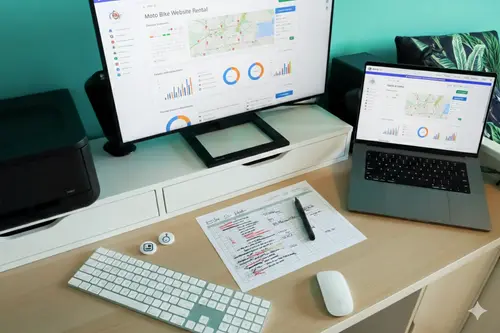
A real-time dashboard allows rental companies to monitor the status, location, and availability of serialized and non-serialized rental items across multiple sites — seeing what is currently rented, reserved, or available to optimize asset utilization at a glance. With instant access to data, managers can make informed decisions on the fly: reallocating equipment based on changing demand or updating availability schedules before a conflict forms.
A well-configured availability dashboard doesn't just show you what's out — it shows you what's coming back, what's in maintenance, and what's truly free to book. That distinction is what allows your team to confidently confirm requests instead of hedging with "let me check and call you back."
6. Track Maintenance Costs — Not Just Maintenance Events
Most rental operators track when maintenance happens. Fewer track what it's actually costing them over time, and fewer still connect those costs back to specific assets, customers, or usage patterns.
There are two kinds of expenses linked to your equipment. One is the direct cost of maintenance, which compounds quickly without a preventive maintenance schedule. The other is the opportunity cost — revenue lost when a piece of equipment isn't available to rent, especially when that downtime falls during peak season.
Tracking maintenance costs at the asset level gives you the data to make smarter fleet decisions: when to retire a piece of equipment, which assets are eating into margin, and where preventive maintenance is genuinely paying off.
7. Set Up Automated Alerts for Overdue Returns and Maintenance
Availability gaps don't just come from bad data — they come from delays that nobody flagged in time. Automated alerts notify managers of important events such as overdue returns, upcoming maintenance windows, or low stock levels. This is particularly valuable in the rental industry, where a single delayed return can create a chain reaction across upcoming bookings.
Every day an overdue item sits unreported is a day it can't be rented to the next customer. Proactive alerts close that gap before it becomes a conflict — turning what would be a reactive scramble into a simple, managed workflow.
8. Use Buffer Time to Account for Preparation Between Rentals
Real-time availability isn't just about knowing when an item is out — it's about knowing when it's truly ready for the next booking. Buffer time lets you block out windows before and after rentals for inspection, cleaning, and preparation, ensuring equipment stays in top condition without affecting your confirmed availability calendar.
Skipping this step is a common source of customer complaints. Equipment that goes straight from one rental to the next without inspection creates wear-and-tear surprises and last-minute cancellations. Building buffer time into your scheduling workflow means your team accounts for prep time before a problem can surface — not after.
9. Plan Logistics to Minimize Equipment Movement and Cost
The renting of equipment includes the delivery of assets to different locations, which translates to logistical effort and increased expenses. A graphical overview of your assets — where they are, where they need to reach, and when — helps you plan movements more efficiently and cut down unnecessary cost.
Logistics planning and availability management are more connected than most operators realize. An asset that's available on paper but sitting at the wrong location, with no realistic delivery window, is functionally unavailable. Factor transit time into your availability windows, not just the rental start time. This closes the gap between what your system shows as available and what you can actually deliver.
10. Get Intelligence on How and Where Your Assets Are Being Used
Knowing that a piece of equipment is "out on rental" isn't enough. When your client is based at a different location, you may not always be able to track its movement or usage — which creates billing blind spots and makes it harder to predict when the asset will truly be ready for its next job.
Connecting IoT or telematics data to your availability platform gives you a richer picture: how hard an asset is being worked, whether it's being used outside agreed parameters, and when it's likely to need service based on actual usage rather than a fixed calendar. This moves your operation from schedule-based maintenance to condition-based maintenance — which is both cheaper and more reliable.
11. Separate Trackable Assets from Bulk Inventory
Not every item in your fleet needs individual serial tracking, but high-value or frequently rented equipment does. When you assign a unique identifier to each trackable asset, you create a searchable history for every individual stock item — where it is, who has it, and granular insights into its usage, order history, and performance over time.
Bulk items like cables, accessories, or consumables can be tracked by quantity, while serialized assets like generators, compactors, or specialized tools get individual histories. This distinction reduces system overhead while maintaining the precision that matters most for your highest-value equipment.
12. Watch Market Demand and Adjust Your Equipment Portfolio Accordingly
Real-time availability management isn't just an operational discipline — it feeds a strategic one. The demand for rental assets is dynamic, and you need to look at equipment utilization trends in your own fleet to make informed investment decisions. Business intelligence built from internal usage data and external market signals helps you stay ahead of what customers actually need.
Companies that use demand forecasting to predict seasonal fluctuations can reduce inventory-related costs by up to 30%. Understanding which assets are consistently overbooked signals where to invest. Understanding which sit idle for weeks signals where to divest. Your availability data, tracked over time, is one of the most valuable inputs you have for fleet investment decisions.
13. Manage Availability Across Multiple Locations from One Platform
Managing inventory across multiple locations adds a layer of operational complexity, especially when demand fluctuates from one site to another. Centralized tracking lets you view real-time stock availability across all sites and initiate transfers as needed — preventing duplicate bookings and misplaced items by maintaining a live log of each asset's location, booking status, and assigned orders.
Without this centralized visibility, you end up with idle equipment sitting at a slow depot while a high-demand site is turning away customers. That's capital sitting underutilized — and it's entirely preventable with the right system architecture.
The Bottom Line: Real-Time Availability Is an Operational Discipline
Getting availability right isn't just a software problem, but it´s a process problem. The best rental businesses combine the right platform with the right habits: consistent status updates, proactive maintenance scheduling, centralized data, smart logistics planning, and automated alerts all working together.
The common thread across every practice in this list is visibility. When everyone in your operation — from the warehouse to the field to the back office is working from the same real-time picture of your fleet, fewer things fall through the cracks, fewer bookings get conflicted, and fewer customers get let down.
Start with the habits. Then make sure your platform is built to support them. Ready to give it a shot? Get your free trial of Pulso today.