














 Anita Valentinova
If you're starting a rental business in 2026, the first question you'll face isn't what boats or bikes to buy — it's how to get your business online. This guide covers exactly what you need, what you don't, and why the website vs. platform decision is the one that determines whether you open taking bookings or open answering emails.
1. The First Question Every New Rental Operator Gets Wrong
When you're starting a boat, bike, or motorcycle rental business, the instinct is to build a website. You hire a designer or pick up a Wix template, put together some photos, write a description, and add a contact form. Job done — you're online.
The problem is that a website without a booking engine is just a brochure. It creates awareness but doesn't convert it. Every customer who visits still has to call, email, or DM you to find out if something is available — and a significant share of them won't bother. They'll book somewhere else in two clicks.
The real question isn't "do I need a website?" The question is: do you need a website, a rental management platform, or both? The answer depends on what you actually want your online presence to do and for most rental operators, the answer is: both, built as one. Ready to launch with a few clicks and no developer cost? Pulso integrates a website builder and a booking engine, get your trial today.
2. Website vs. Rental Platform: What's Actually the Difference?
A regular website (built on Wix, Squarespace, WordPress, etc.) handles your presence — it tells people who you are, where you're located, and what you offer. That's where its job ends.
A rental management platform handles your operations — it manages real-time availability, processes bookings, collects deposits, sends automated confirmations, and logs every transaction in a centralized dashboard. Think of it as the back-office engine running behind your customer-facing storefront.
The two are not interchangeable. Here's why:
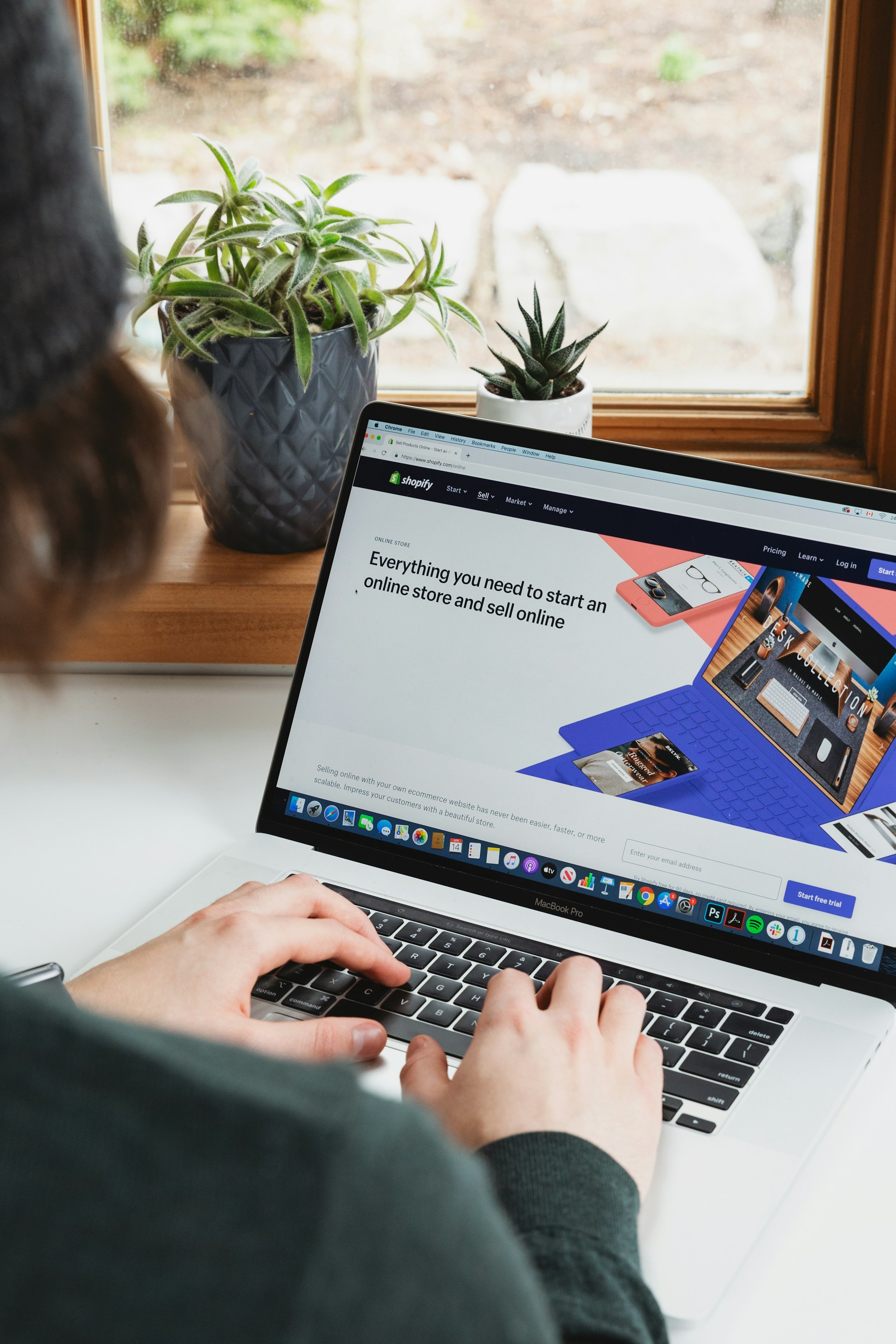
- Standard ecommerce platforms like Shopify were built to sell products that ship once and leave your inventory. Rentals are different: the same asset gets booked, returned, inspected, cleaned, and rebooked — sometimes multiple times in a week. Every booking affects future availability.
- Contact forms and email inquiries require manual availability checks, back-and-forth communication, and human follow-up. That workflow doesn't scale — and it loses bookings to operators who offer instant confirmation.
- WordPress booking plugins can work for very simple setups, but they rarely handle the nuances of recreational rentals: buffer time between bookings, dynamic pricing, digital waivers, multi-location fleet management, and damage deposit automation.
What you actually need is a rental-specific platform that also includes a professional website — so your customers see a polished storefront and can complete a booking in under three minutes, without ever speaking to your team.
That's exactly what Pulso is built to do.
3. Why Recreational Rental Ecommerce Is Uniquely Complex

A **rental platform ** is fundamentally different from a standard ecommerce store. When someone buys a product online, the item ships and it's gone. In rentals, the same asset gets booked, returned, inspected, and rebooked — sometimes multiple times in a single week. Every transaction affects inventory availability for future bookings.
This creates a unique set of requirements. Your platform needs to handle date-based availability, not just stock counts. It needs to account for turnaround time between rentals, deposit collection, damage waivers, and the fact that a boat rented Saturday morning is unavailable until it's back, cleaned, and cleared for the next customer.
Standard ecommerce platforms weren't built for this workflow. That's why rental-specific platforms exist — and why using the right one from the start saves significant operational pain later.
4. Make Online Booking Your Primary Sales Channel — Not a Secondary One
Many recreational rental businesses still treat their website as a digital brochure with a contact form. That's a conversion killer. Contact forms require staff to read requests, check availability manually, and respond — introducing delay, back-and-forth, and friction that costs you bookings.
Direct online booking is far superior. It cuts out the admin overhead and, more critically, removes a point of friction for your customers. Customers booking boats, bikes, or motorcycles are often in trip-planning mode — they want to confirm instantly and move on. Every extra step between "I want this" and "it's confirmed" reduces the chance they complete the booking.
Your online store should let customers browse available inventory by date, select their rental window, pay, and receive an automatic confirmation — without any manual intervention from your team. Pulso's booking engine makes this the default experience from day one.
5. Why You Shouldn't Hire a Web Agency to Build Your Rental Site
The most common mistake new rental operators make is spending €2,000–€8,000 on a custom-built website before they've even taken a booking. Here's why that's a trap:
- Agencies build brochure sites. They design something beautiful but rarely understand the operational requirements of a rental business. You'll still need to bolt on a booking system afterward — at extra cost.
- You can't iterate fast. When peak season hits and you need to change prices, add a new fleet item, or update a pickup location, you're emailing your developer and waiting.
- You pay twice. Once for the website, once for the rental software — when modern platforms like Pulso include both in a single monthly fee.
Pulso includes a built-in website builder designed specifically for rental businesses. You get a professional, mobile-optimized storefront with your branding, your fleet, your pricing, and a fully functional booking engine — all configured within your Pulso account, no agency required. Your website and your operations live in the same system, which means changes you make in your dashboard (new pricing, new inventory, blocked dates) reflect immediately on your public-facing site.
6. Build a Mobile-First Booking Experience
Recreational rental customers are almost always booking on mobile. They're at a marina, on a trail, or mid-trip planning when the urge to book hits. A booking flow that isn't fully optimized for mobile — fast-loading, thumb-friendly, minimal fields — will lose a significant share of those high-intent visitors before they reach checkout.
Your platform should treat mobile users as the primary audience, not an afterthought. This means fast page load times, a simplified date-picker interface, clear inventory photos, and a checkout process that doesn't require desktop precision to complete. Pulso's website builder outputs mobile-first pages by default — speed and simplicity are built in, not bolted on.
7. Display Real-Time Availability — Never Make Customers Guess
Nothing damages trust in a rental platform faster than a customer completing a booking only to receive a call saying the asset isn't available. Real-time availability calendars solve this by showing customers exactly what's bookable for their selected dates — updated live as bookings come in.
This is especially important for high-demand assets like boats and motorcycles, where weekends and holidays fill up quickly. An availability calendar that prevents double-bookings also protects your reputation. Customers who can see real-time open slots book with confidence; customers who have to "inquire for availability" often don't bother.
Pulso syncs your availability across your website, your admin dashboard, and any channel you use — so the slot a customer sees is always accurate.
8. Configure Flexible Pricing by Duration and Demand
Recreational rentals don't follow a flat daily rate. A boat rented for an hour is priced differently from one rented for a full day or a weekend. A bike rented in peak summer season commands a different rate than the same bike in shoulder season. Your platform needs to support this complexity natively.
Key pricing capabilities to build in:
- Duration-based pricing — hourly, half-day, full-day, multi-day, weekly rates
- Seasonal pricing — automatic rate adjustments during peak periods
- Dynamic pricing — adjusting rates based on real-time demand and remaining availability
- Discount logic — promotional codes, returning customer discounts, group or bundle pricing
Pulso handles all of these pricing rules automatically, without manual rate management, reducing admin overhead and improving yield on your fleet.
9. Automate Security Deposits and Digital Waivers
Security deposits and liability waivers are non-negotiable for boat, bike, and motorcycle rentals. But handling them manually — collecting credit card details over the phone, printing paper waivers, chasing signatures — is slow, error-prone, and creates unnecessary friction at pickup.
The right rental platform automates both. Deposits are collected at checkout and held or released according to your policy. Digital waivers are sent automatically after booking and must be signed before the rental period begins. Customers arrive having already completed the paperwork, and your team spends less time at the counter and more time running the operation.
This also protects you legally. A signed digital waiver with a timestamp is a far stronger record than a paper form that can be lost or disputed.
10. Use Buffer Time to Keep Every Asset Ready Between Rentals
A kayak that comes back at 5pm and is booked again at 9am the next morning needs to be inspected, cleaned, and confirmed ready in that window. If your system doesn't account for that time, you'll either rush the process — risking sending out a damaged or dirty asset — or you'll face a conflict you have to resolve manually.
Buffer time allows you to block out a defined period before and after each rental for preparation. This time is invisible to the customer — the asset simply shows as unavailable during that window. The result is that every rental goes out in the right condition, and your team never has to scramble because a turnaround wasn't realistic.
For high-traffic days with back-to-back bookings, buffer time is what keeps your operation running without constant firefighting.
11. Offer Add-Ons and Upsells at Checkout
The checkout moment is the highest point of purchase intent in your customer's journey. That's the right moment to offer relevant add-ons — not after the booking is confirmed.
- For boat rentals: life jackets, fuel packages, navigation equipment, captain options.
- For bike rentals: helmets, locks, child seats, panniers, guided route maps.
- For motorcycle rentals: riding gear, GPS units, insurance upgrades, extended mileage packages.
Upsells at checkout increase average order value without additional acquisition cost. They also improve customer experience — someone who forgets to bring a helmet doesn't have to turn back if you offered one at booking. Pulso's checkout configuration makes add-ons easy to set up and presents options clearly without overwhelming the booking flow.
- Automate Customer Communications at Every Stage
Once a customer books, the communication shouldn't go silent until pickup day. Automated messaging at key moments builds trust, reduces no-shows, and cuts inbound support queries.
A solid communication sequence for recreational rentals includes:
- Booking confirmation — immediate, with all rental details and payment summary
- Pre-rental reminder — 24–48 hours before, with pickup instructions, what to bring, and waiver link if not yet signed
- Post-rental follow-up — after return, confirming deposit release and requesting a review
- Re-engagement — seasonal offers or availability reminders sent to past customers
Automating this sequence means your team doesn't have to manually send reminders or answer "where do I pick up?" emails. Pulso handles it, and customers feel looked after without requiring any staff time.
13. Optimize for Local SEO — Your Highest-Intent Traffic Source

Most recreational rental searches are local and high-intent: "boat rental [city]," "e-bike rental near me," "motorcycle rental [destination]." These searches come from people who are ready to book, not just browsing. If your platform doesn't surface for these queries, you're invisible to your most valuable audience.
Foundational local SEO steps for rental platforms:
- Google Business Profile — set up with accurate address, hours, photos, and rental categories
- Location-specific landing pages — if you operate across multiple pickup points, each location should have its own indexed page
- On-page keywords — your product pages and homepage should naturally include the location and asset type you rent
- Review generation — post-rental follow-up emails should include a direct link to leave a Google review; volume and recency of reviews directly impact local rankings
Because Pulso's website builder is SEO-ready out of the box — with clean URLs, fast load times, and editable meta fields — you're not starting from zero when it comes to ranking.
14. Manage Multi-Location Inventory from One Dashboard
If you operate pickup points across multiple locations — a marina, a city center bike shop, a second outlet — you need centralized visibility across all of them. Without it, you risk showing assets as available at a location where they've actually been moved, damaged, or already committed to another booking.
A centralized multi-location dashboard lets you:
View real-time availability across all sites simultaneously
Transfer assets between locations when one site has surplus and another has demand
Assign bookings to the correct pickup location without manual cross-checking
Give location-specific staff access without exposing the full account
For seasonal businesses that operate at beach locations in summer and city locations off-season, this kind of fleet flexibility is what allows you to maximize utilization year-round rather than leaving assets idle at the wrong site.
15. Track Asset Utilization to Make Smarter Fleet Decisions
Your booking data is one of your most valuable business assets. Which bikes are rented out every weekend and which sit idle? Which boat configuration gets booked first every time? Which motorcycle models are consistently returned with damage complaints?
Utilization reporting answers these questions — and the answers directly inform your next fleet investment. Consistently overbooked assets signal where to expand capacity. Consistently underperforming assets signal where to divest or reposition. Damage patterns by asset type tell you where your maintenance costs are actually coming from.
Without this data, fleet decisions are based on gut feel. With Pulso's reporting dashboard, every investment you make in new inventory is backed by evidence from your own operation.
The Bottom Line: You Need One System That Does Both
For recreational rental businesses, your online platform isn't a back-office tool — it's your primary customer-facing storefront. The quality of your booking experience, the reliability of your availability data, and the speed of your checkout directly determine how many visitors become paying customers.
The businesses growing fastest in boat, bike, and motorcycle rentals aren't necessarily the ones with the best fleet. They're the ones with the clearest online experience, the most frictionless booking flow, and the operational discipline to back it up.
And they're not spending thousands on agencies to get there. With Pulso, you get a professional, SEO-ready website and a fully operational rental management platform — inventory tracking, automated communications, digital waivers, flexible pricing, and real-time availability — included in a single monthly plan. Build it right from day one, and the fleet investment pays off. Build it wrong, and you'll spend more time managing booking chaos than growing the business.