














 Anita Valentinova
1. Minimal Architecture That Actually Converts
Most rental websites fail before they even launch—not because of bad design, but because of bad structure. Business owners obsess over logos and color schemes while ignoring the fundamental question every potential customer asks within 3 seconds of landing on the page: "Can I rent here, how much does it cost, and how easy is it?" If your website doesn't answer this immediately and clearly, visitors leave. This guide breaks down the proven architecture, technical decisions, and operational integrations that separate high-converting rental websites from expensive digital brochures that generate zero bookings.
For your customers to make bookings, you need the correct hierarchy for a rental website (before talking about design). Before colors, logos, or "branding", your website must answer a single user question:
Can I rent here, how much does it cost, and how easy is it?
A well-planned rental website doesn't need 20 pages. It needs clarity, and the following points will help you:
- Homepage
- Clear proposition: what you rent, where, and for whom
- Main CTA: Book now
- Visible social proof (real reviews)
- Fleet / Vehicles
- Bikes and scooters as products, not as posts
- Clear pricing, real-time availability
- Booking process that is clear and frictionless
- Integrated booking engine (no external links)
- Visible cart (yes, even for rentals, because users likely book from mobile and can change their mind halfway through)
- Trust
- Reviews, policies, insurance, real contact
- Basic support
FAQ oriented to real friction points (deposit, helmet, cancellations)
Everything else is secondary.
2. The Most Common Mistake: Starting with WordPress or Shopify "Because It's Flexible"
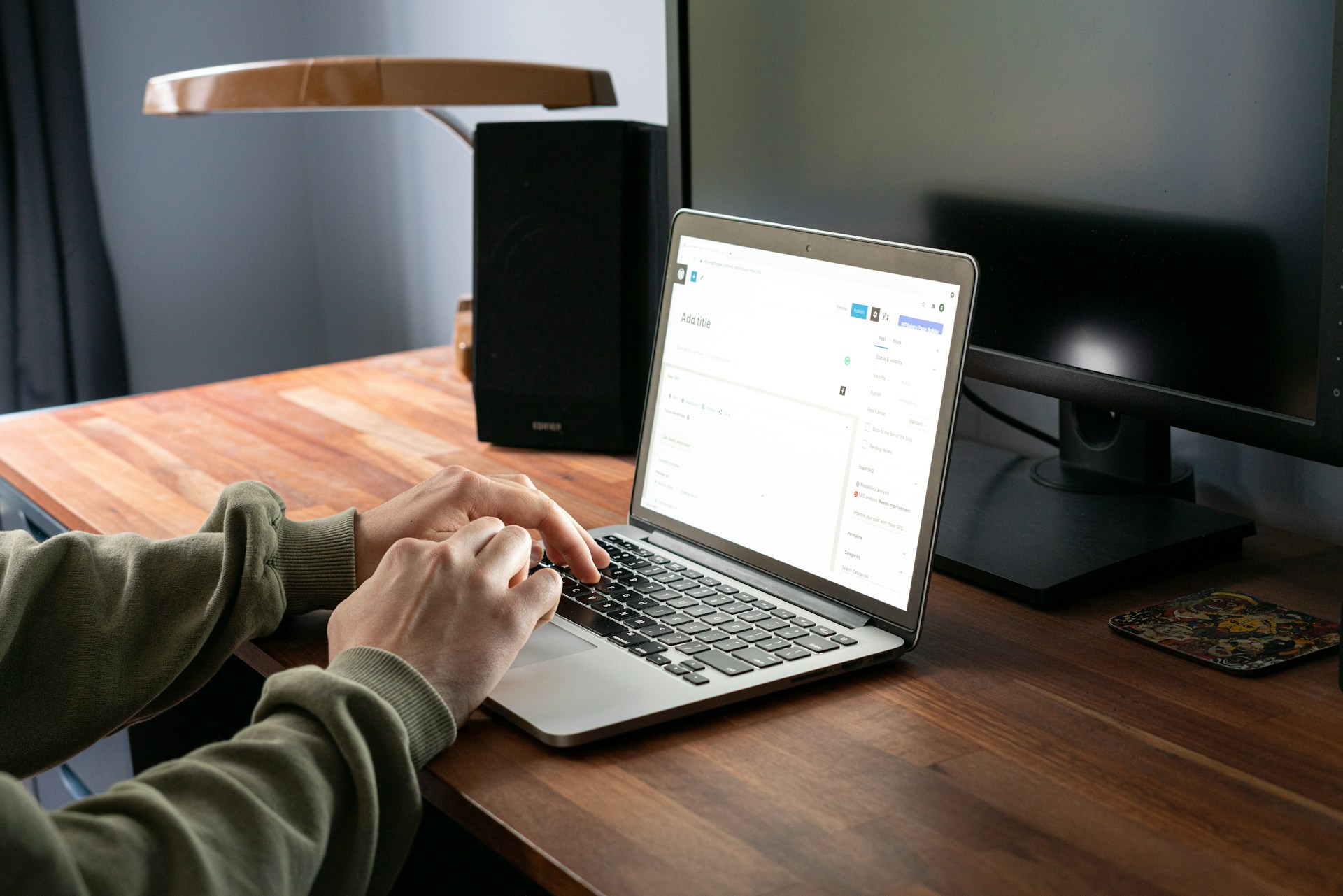
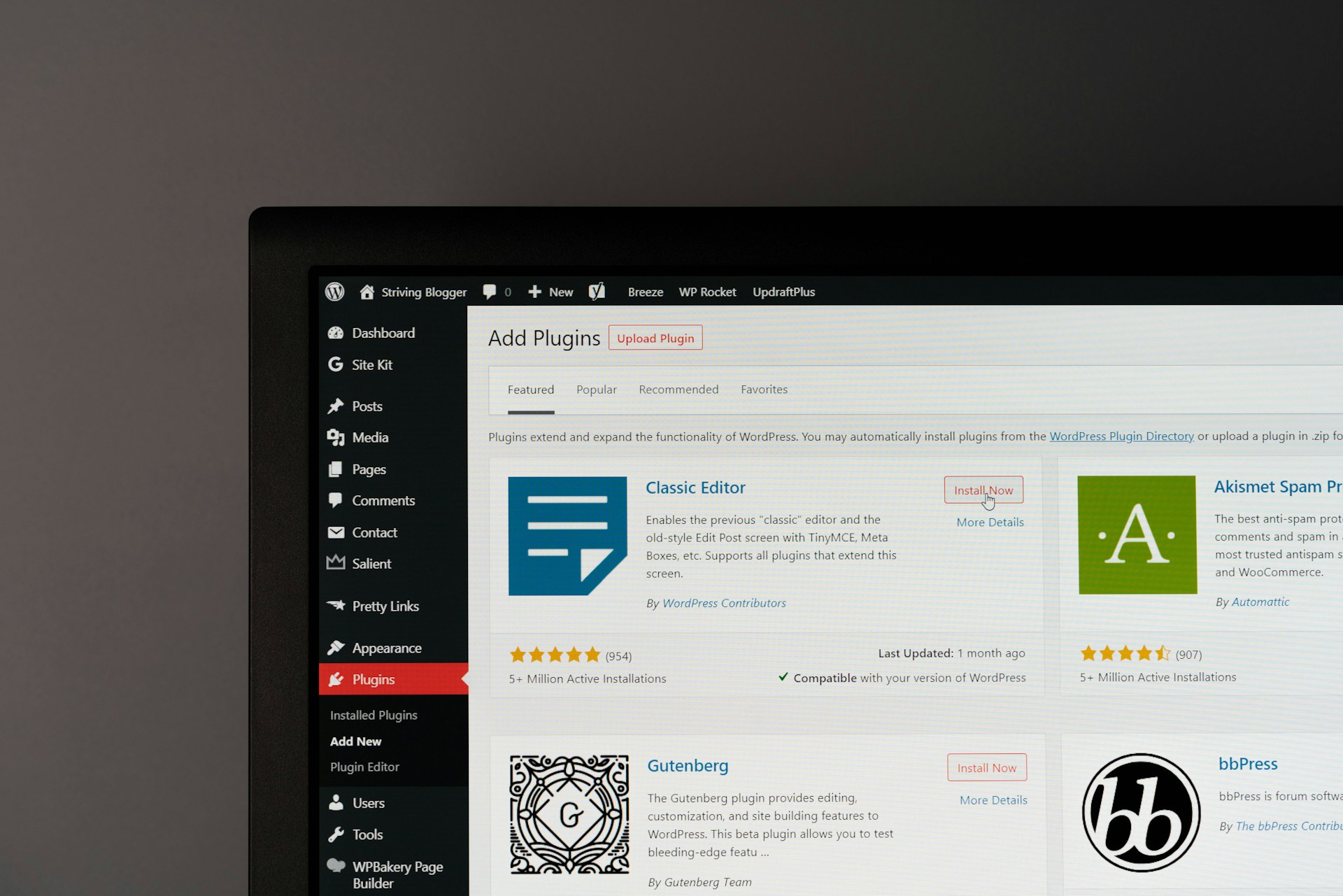
WordPress + booking plugin
It works… until it doesn't :).
Common problems:
- Generic plugins not designed for rentals (dates, deposits, damages)
- Constant dependency on developers, this is the number one problem in 95% of cases
- Conflicts between themes, plugins, and updates
- Mediocre mobile experience at checkout
- Hidden maintenance and patch costs
WordPress is not a rental system, it's an adapted CMS.
Shopify + apps
Shopify is built to sell products, not to rent assets. It could adapt to your needs, but nothing more. If you have an online store to sell products, it will be suitable for that case.
Real limitations:
- Rentals are "simulated" as products
- Poor date-based availability management
- Non-existent contract, deposit, and damage logic
- Apps that don't talk to each other
Checkout optimized for ecommerce, not for bookings. Shopify scales well for ecommerce, not for rental operations.
3. Why High Customization Is a Trap (Especially When Starting)
Many businesses fall into this:
"I want something 100% custom"
The reality:
- Each customization costs money
- Each customization breaks something later
- It doesn't improve conversion in the initial phase
- It ties you to an agency or developer. And it's all pay and pay more.
In rentals, simplicity wins:
- Proven flows
- Optimized templates
- UX decisions already solved
Pulso eliminates that problem because it's already designed for the rental business, not for everyone.
4. Critical Elements Your Rental Website Must Have
- Real-time availability
- Booking cart
Additionally, it must easily:
- Add extras
- Show clear total
- Display reviews before payment, which increases your conversion rate (the % of users who visit your site and eventually rent)
- Short checkout
- Secure payment
- Immediate confirmation
- Automatic emails
The cart is key: it reduces psychological friction and increases conversion rate, especially on mobile.
More than 70% of tourist rental bookings start on mobile.
Good UX in rentals means:
- 100% responsive design
- Large and clear buttons
- Easy-to-select dates
- Fast loading (less than 3s)
- Zero distractions before booking
A slow or confusing website doesn't lose visits, it loses revenue.
5. Pulso vs WordPress / Shopify: The Real Difference
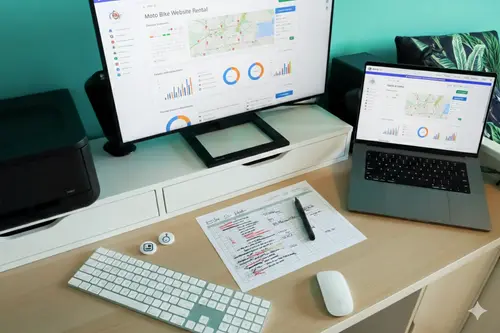
Pulso is SaaS designed only for rentals
Website + booking engine + operations in one system. And that without plugins, without patches.
- Scales without rebuilding the website
- Lower total cost at 12–24 months
- You have no dependency on WordPress / Shopify
- You have 100% control and support in Spanish
- Generic tools adapted for the rental business
- All-inclusive cost in your monthly or annual package. Everything from 29 euros.
If your goal is to grow, not just "be online", the decision is clear.
6. Operations: Where Money Is Won or Lost

A website without a solid backend is just marketing.
With specialized software you can:
- Manage real inventory
- Avoid overbookings
- Control the status of each vehicle
- Automate contracts and invoices
- Reduce human errors
Pulso connects your digital presence in website + sales + operation + control, something no combination of plugins does well.
7. Automation: Contracts, Invoicing, and Payments
Automating is not a luxury, it's survival, especially when you're in high season.
Essential:
- Automatic digital contracts
- Invoicing upon booking confirmation
- Payment tracking
- Less administrative time, more time selling
This improves margins and conveys professionalism.
8. Marketing and SEO: First Convert, Then Scale
Before thinking about ads:
- Ensure the website converts
- That the booking process works
- That mobile is optimized
Then yes:
- Local SEO ("motorcycle rental in + city")
- Useful content (routes, tips, guides)
- Google Maps + reviews
- Social media as social proof, not just branding
Your rental website is not a web project, it's a sales system.
If you're starting in motorcycle or scooter rental:
You don't need a "custom" website, but you do need fast bookings and frictionless operation to scale without redoing everything at some point.
You need to invest long-term not in "another tool", but in the operational and commercial foundation of your business from day one.
If your website doesn't help you rent more with less effort, it's not a rental website. Want to know more? Book your demo or free trial.

 Ivan Stoilov