















 Anita Valentinova
Modern bike rental management systems help operators run smarter, not harder. Whether you're managing a small neighborhood shop with 10 bikes, a premium e-bike fleet in a tourist destination, or a city-wide bike sharing program, the right software platform can transform your daily operations. This comprehensive guide walks through what these systems do, which features matter most, and practical best practices you can apply today to cut costs, reduce manual work, and deliver a better experience for riders. Learn about must-have features, measurable benefits, emerging industry trends, and why Pulso is trusted by rental businesses worldwide.

1. What Are Bike Rental Management Systems and How Do They Simplify Operations?
At their core, bike rental management systems are software platforms that automate the daily operations of a rental business. They handle reservations, track inventory, process payments, and manage customer records so teams can focus on service and growth instead of administrative chaos. Properly implemented, these systems reduce human error, speed up workflows, and make it easier to allocate bikes where demand is highest.
Core functions include:
- Reservation management: 24/7 online booking that syncs across all channels
- Inventory tracking: Real-time visibility of every bike's status and location
- Payment processing: Secure transactions with automated receipts and invoicing
- Customer profiles: Centralized records for personalized service and loyalty programs
- Maintenance scheduling: Automated alerts for preventive maintenance based on usage
2. Defining Bike Rental Software and Its Core Components
Typical bike rental software bundles a few key modules that work together seamlessly: reservation and booking management, fleet and inventory tracking, payment processing, and customer relationship tools. Each piece is designed to keep rentals running smoothly — from taking an online booking at 2 AM to logging maintenance history after a ride.
Essential software modules:
- Booking engine: Customer-facing interface for date selection, bike choice, and add-ons
- Fleet dashboard: Staff interface showing real-time bike availability, location, and condition
- Payment gateway: Integration with Stripe, PayPal, and local payment processors
- CRM system: Customer history, preferences, and communication logs
- Reporting suite: Analytics on revenue, utilization rates, and performance metrics
3. How Bike Rental Systems Automate Booking and Inventory Management
Automation is where these platforms deliver immediate ROI. Online booking portals let customers reserve bikes 24/7 without staff intervention, while inventory modules sync availability in real time across your website, phone bookings, and walk-in traffic. That eliminates double bookings, shortens turnaround time, and keeps staff focused on helping customers instead of juggling spreadsheets or whiteboards.
Automation benefits:
- Zero double-bookings: One source of truth for all booking channels
- Instant confirmations: Customers receive automatic emails with booking details
- Dynamic pricing: Rates adjust automatically based on demand and seasonality
- Maintenance blocking: Bikes under repair are automatically removed from availability
- After-hours revenue: Capture bookings when your shop is closed
4. Key Features You Should Look for in Bike Rental Software
Choosing the right system comes down to the features that match your operation's specific needs. Don't get distracted by flashy features you'll never use. Prioritize dependable fleet management, simple online reservations, and secure payment options — these three areas deliver the biggest day-to-day impact for most rental businesses.
Must-have features checklist:
- ✓ Real-time inventory sync across all booking channels
- ✓ Mobile-responsive booking interface that works on any device
- ✓ Integrated payments with support for cards, digital wallets, and local methods
- ✓ Digital contracts with e-signature capability
- ✓ Automated communications for confirmations, reminders, and follow-ups
- ✓ Fleet maintenance tracking with service history and alerts
- ✓ Multi-language support for international tourists
- ✓ Reporting and analytics for data-driven decisions
5. How Inventory and Fleet Management Optimize Bike Availability
Good fleet management tracks each bike's status, maintenance history, location, and usage patterns. That visibility helps you plan maintenance windows during slow periods, prevent breakdowns before they happen, and make sure the right bikes are where customers need them. The result: fewer out-of-service bikes and more rides completed.
Fleet optimization strategies:
- Preventive maintenance schedules: Service bikes based on kilometers ridden, not arbitrary dates
- Utilization tracking: Identify which bikes are overused and which sit idle
- Location-based allocation: Move bikes to high-demand areas proactively
- Condition monitoring: Flag bikes showing signs of wear before they fail
- Lifecycle management: Know when to retire bikes and reinvest in new inventory
6. The Role of Online Booking and Payment Processing in Customer Experience
Fast, intuitive booking and reliable payments are table stakes for modern rentals. When customers can reserve and pay in minutes — on mobile or desktop — conversion rates increase dramatically and staff spend less time on manual check-in processes. Secure, integrated payments also build trust and simplify financial reconciliation at the end of each day.
Customer experience improvements:
- Booking in under 60 seconds: Streamlined flow from bike selection to confirmation
- Price transparency: No hidden fees or surprise charges at pickup
- Multiple payment options: Cards, PayPal, Apple Pay, Google Pay, and local methods
- Instant confirmation: Email and SMS with QR code for quick check-in
- Deposit automation: Security deposits held and released automatically
- Contactless pickup: Minimal staff interaction required during peak times
7. Benefits of Implementing a Bike Rental Management System
Adopting a purpose-built system brings measurable gains: tightened operations, lower labor costs, and better customer experiences. Automation and data-driven workflows free teams to focus on marketing, partnerships, and customer care rather than administrative tasks.
Quantifiable benefits:
- 40-60% reduction in administrative time spent on bookings
- 95-100% elimination of double-booking incidents
- 30-45% increase in booking volume through 24/7 availability
- 20-30% improvement in fleet utilization rates
- 35% boost in online review ratings within 6 months
- 25-40% decrease in customer service inquiries due to automation
8. How Bike Rental Software Increases Operational Efficiency and Reduces Costs
By automating bookings, inventory checks, and payments, software cuts the manual tasks that slow teams down and create bottlenecks. That reduces staffing pressure during peak seasons, lowers human error that causes costly mistakes, and improves equipment uptime — all of which translate to lower operating costs and higher revenue throughput.
Cost reduction areas:
- Labor efficiency: Staff focus on high-value customer interactions, not data entry
- Error elimination: No more lost bookings or payment discrepancies
- Reduced no-shows: Automated reminders decrease no-show rates by 60-70%
- Faster turnaround: Process more rentals per day with the same staff
- Lower overhead: Digital contracts eliminate printing and filing costs
9. GPS Tracking and Digital Contracts: Enhanced Security and Compliance
GPS tracking helps you monitor bike location in real time, deter theft through geofencing alerts, and speed recovery when bikes go missing. Digital contracts streamline check-out, capture signatures and liability waivers electronically, and keep records accessible for legal compliance and dispute resolution.
Security and compliance features:
- Real-time GPS monitoring: Track every bike's location on a live map
- Geofence alerts: Notifications when bikes leave designated zones
- Theft recovery: Historical location data aids police recovery
- Digital signature capture: Legally binding contracts signed on tablets or phones
- Automated liability waivers: Customers accept terms before riding
- GDPR compliance: Secure storage of customer data with encryption
- Audit trails: Complete records of who rented what and when
10. Smart Integrations: QR Codes, GPS, and Mobile Apps
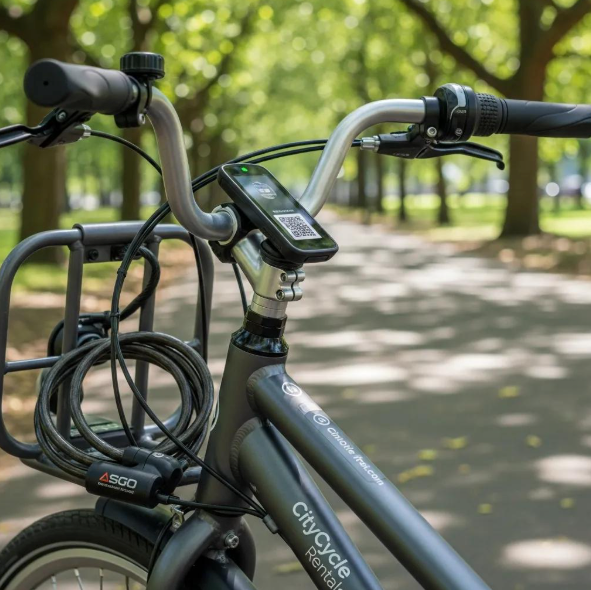
Smart integrations — GPS tracking, QR code scanning, and mobile app features — are now central to efficient, eco-friendly bike sharing and rental services. To optimize your business to the fullest, you need fast QR check-in that reduces wait times and improves customer satisfaction.
Smart technology benefits:
- QR code check-in: Scan a code, unlock a bike, start riding in seconds
- Mobile app control: Customers manage bookings, extend time, and report issues
- IoT integration: Smart locks that open remotely when payment is confirmed
- GPS tracking: Real-time location data for fleet management and theft prevention
- Automated notifications: Push alerts for pickup reminders and return deadlines
Bicycle sharing schemes offer low-effort, environmentally friendly transport for short trips and first/last-mile connections to public transit. Smart systems accessed through mobile apps combine GPS tracking, QR scanning, online payments and automated locking to improve operations, reduce pollution, and support rider health. These features make bike sharing a practical complement to public transit and a scalable option for urban mobility.
11. Best Practices for Effective Bike Rental Management
To get the most from your software investment, combine it with operational best practices: scheduled preventive maintenance, dynamic pricing where appropriate, and UX-driven booking flows. These approaches keep bikes moving, revenue growing, and customers coming back for repeat rentals.
Operational excellence strategies:
- Maintenance calendars: Service bikes during off-peak hours and slow seasons
- Dynamic pricing models: Higher rates on weekends and holidays, discounts on weekdays
- User experience optimization: Remove friction from every step of the booking process
- Staff training programs: Ensure team can troubleshoot and maximize system features
- Customer feedback loops: Use reviews and surveys to continuously improve
- Seasonal planning: Adjust inventory and pricing based on historical data
12. Strategic Fleet Maintenance and Dynamic Pricing to Boost Performance
Planned maintenance reduces unexpected downtime and repair costs, extending the useful life of your bikes by 60-80% compared to reactive maintenance. Dynamic pricing — adjusting rates for peak times, special events, or weather conditions — helps you capture more revenue without sacrificing availability during slower periods.
Maintenance best practices:
- Every 100km or weekly: Visual inspection, tire pressure, basic lubrication (10 minutes)
- Every 300km or monthly: Full brake, gear, and wheel inspection (30-45 minutes)
- Every 1000km or quarterly: Deep maintenance and parts replacement (2-3 hours)
- Seasonal overhauls: Complete fleet service before high season begins
Dynamic pricing strategies:
- Peak season surcharges: +20-30% during summer months and holidays
- Off-peak discounts: -15-25% during winter to generate volume
- Last-minute deals: Reduced rates for same-day bookings during slow periods
- Multi-day discounts: Encourage longer rentals with tiered pricing
- Loyalty pricing: Special rates for repeat customers and subscribers
13. Why User Experience Design and Staff Training Are Crucial for Rental Success
A clean, intuitive booking flow converts more website visitors into paying renters in less time. Industry data shows that each additional step in the booking process reduces conversion by 10-15%. Equally important: well-trained staff who can troubleshoot the system, explain digital contracts, and handle on-site check-ins efficiently. Together, good UX and trained teams create reliable, repeatable customer experiences that drive positive reviews and word-of-mouth referrals.
UX optimization checklist:
- Visual availability calendar: Customers see open dates instantly
- Clear pricing display: All costs shown upfront with no surprises
- High-quality bike photos: Multiple angles and detailed specifications
- Simple checkout: Payment to confirmation in 3 clicks or less
- Mobile-first design: Perfect experience on smartphones where 70% of traffic originates
Staff training priorities:
- System navigation: Fluency with all booking, modification, and reporting functions
- Troubleshooting: Quick resolution of common technical issues
- Customer service scripts: Consistent communication about policies and procedures
- Digital contract explanation: Clear walkthrough of liability terms
- Upselling techniques: Recommending helmets, locks, and insurance confidently
14. Emerging Trends Shaping the Future of Bike Rental Management
The industry is evolving rapidly. Expect more e-bikes in fleets, deeper IoT integration, and services that blend subscription access with on-demand rentals. These trends expand use cases beyond tourism and open new revenue channels in commuter transportation and last-mile logistics.
Key trends to watch:
- E-bike dominance: Electric bikes now represent 35-40% of rental fleets in major markets
- Subscription models: Monthly memberships for locals alongside tourist rentals
- Multimodal integration: Bikes + scooters + cargo bikes in one platform
- Corporate partnerships: B2B deals with hotels, employers, and transit agencies
- Sustainability focus: Carbon offset tracking and eco-friendly brand positioning
- AI-powered optimization: Predictive maintenance and demand forecasting
15. How E-bikes and Micromobility Integration Are Transforming Rental Fleets
E-bikes make longer trips and hillier routes accessible to more riders, dramatically broadening your customer base to include seniors, families with children, and less athletic tourists. Integrating scooters and other micromobility options helps operators offer flexible multimodal journeys that match urban demand patterns — a bike for the scenic morning ride, a scooter for quick afternoon errands.
Multimodal advantages:
- Expanded demographics: Serve customers who wouldn't rent traditional bikes
- Higher price points: E-bikes command 2-3x the rental rate of standard bikes
- Longer rental durations: Customers go further and stay out longer
- Reduced physical barriers: Hills and distance no longer limit routes
- Cross-selling opportunities: Customers who try e-bikes often return for traditional bikes
16. Why Choose Pulso's Bike Rental Software for Your Business Needs?
Pulso combines intuitive design with the operational features rental teams need day-to-day. Our platform is built to scale from a single shop with 10 bikes to multi-site fleets with hundreds of units, with tools that simplify booking, tracking, and payments so you can focus on growing your business. If you're just starting, you can leverage Pulso's complete solution: website builder, booking engine, and operational efficiency for day-to-day tasks.
Why rental businesses choose Pulso:
- Rapid implementation: Most customers are fully operational within 48-72 hours
- No technical expertise required: If you can use WhatsApp, you can use Pulso
- Transparent pricing: Plans from €29/month with no hidden transaction fees
- Real human support: Spanish and English-speaking team with 2-4 hour response times
- Purpose-built for rentals: Not a generic booking system adapted for bikes
17. Unique Features and Support That Pulso Offers to Bike Rental Businesses
Pulso includes website builder, real-time inventory tracking, automated booking system, digital contract signing, and secure payment integration — plus dedicated onboarding and ongoing support to get your team up to speed quickly. These capabilities free operators to improve fleet uptime and deliver a consistent rider experience that generates positive reviews and repeat business.
Pulso's distinctive features:
- AI-powered booking engine: System learns from your data and suggests optimizations
- Integrated website builder: Professional rental site launched in one weekend
- Smart maintenance alerts: Bikes flagged for service before problems occur
- Multi-language support: Interface available in 12+ languages for international markets
- Verifactu compliance: Automatic Spanish tax reporting (required from 2027)
- Local payment integration: Bizum, Redsys, and regional processors included
- Custom branding: Widget matches your colors, fonts, and visual identity
- Comprehensive analytics: Visual dashboards showing revenue, utilization, and trends
18. How to Get Started With Pulso and Maximize Your Rental Efficiency
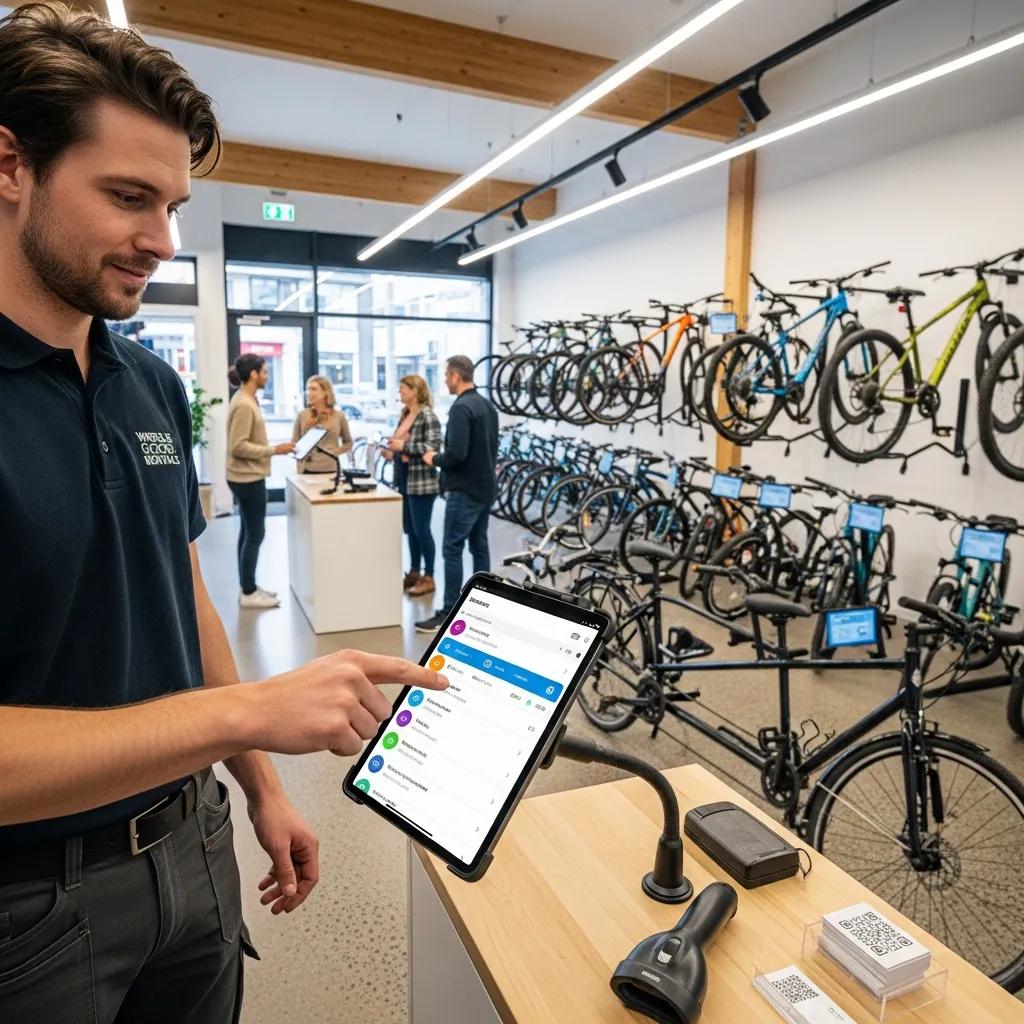
Getting started is simple: start a free 14-day trial with no credit card required, explore the platform with your actual inventory, then onboard with our implementation team who will guide you through setup. From there you can use the tools to reduce manual work, optimize fleet availability, and increase revenue from day one.
Quick start process:
- Sign up: Create account with email, no credit card needed
- Import inventory: Add your bikes with photos and specifications
- Configure pricing: Set rates, deposits, and availability rules
- Customize branding: Match your colors and upload your logo
- Process test bookings: Run through complete rental flow with test customers
- Go live: Embed booking widget on your website and start accepting reservations
Core system features working together:
- Real-time Inventory Tracking: Never overbook or lose track of bikes
- Automated Booking System: Capture reservations 24/7 without staff intervention
- Integrated Payment Processing: Secure transactions with instant confirmations
When combined, these features create a smoother operation and a better experience for riders, making Pulso bike rental management software a practical partner for any business looking to start or scale operations efficiently.
19. Frequently Asked Questions About Bike Rental Management Systems
What types of businesses can benefit from bike rental management systems?
Nearly any business that rents bikes can benefit: traditional bike shops, e-bike providers, tourist rental desks at hotels or resorts, and city bike-share programs. Software scales from single-location shops with 10 bikes to multi-site operators with hundreds of units and helps streamline bookings, fleet tracking, and customer service across all channels.
How can bike rental management systems improve customer retention?
Retention improves when the rental experience is frictionless: easy online booking, detailed customer profiles that remember preferences, and loyalty perks automatically applied. Automated reminders and follow-ups keep riders engaged between visits, while consistent service and reliable, well-maintained bikes encourage repeat business and positive word-of-mouth referrals.
What are the costs associated with implementing a bike rental management system?
Costs depend on features and scale. Expect initial fees for software setup (often waived with annual plans), hardware like tablets or GPS units if needed ($200-500), and staff training time (2-3 hours per employee). Ongoing expenses usually include monthly subscription ($29-200 depending on fleet size), maintenance, and updates. Most operators find the efficiency gains and increased revenue justify the investment within 2-3 months.
How does data analytics play a role in bike rental management?
Data helps you spot peak demand times, identify popular bike models, and locate underused inventory. Those insights inform smarter inventory decisions, optimal pricing strategies, and targeted marketing campaigns — letting you run a leaner operation and focus offerings that boost revenue. You can also identify your most valuable repeat customers and create loyalty programs to retain them.
What security measures should be considered when using bike rental management systems?
Prioritize secure payment processing with PCI-DSS compliance, encryption for customer data both in transit and at rest, and compliance with local data protection rules like GDPR. GPS tracking adds an anti-theft layer that deters criminals and aids recovery, while routine software updates plus regular staff training reduce security risks from human error or outdated systems.
Can bike rental management systems integrate with other business tools?
Yes. Most modern systems connect seamlessly to accounting packages (QuickBooks, Xero, Holded), CRM tools (Mailchimp, HubSpot), and marketing platforms (Google Analytics, Facebook Pixel). Integrations eliminate manual data entry, give you a unified view of operations, and enable automated workflows like sending follow-up emails to recent customers or syncing revenue data for tax reporting.
Transform Your Bike Rental Business Today
Bike rental management systems are no longer optional — they're essential infrastructure for teams that want to run reliably and grow sustainably. With clearer workflows, automated processes, and the right technology in place, you can reduce operational costs by 40-60%, eliminate double-bookings completely, and deliver a consistent rider experience that generates 5-star reviews and repeat customers.
The rental businesses that thrive in 2026 share one characteristic: they invested in professional management systems that freed them from administrative chaos and allowed them to focus on customer experience and strategic growth.
Don't let another peak season pass while you're stuck managing spreadsheets and fielding phone calls at midnight.
Start your free 14-day trial with Pulso today — no credit card required, no commitments, no risk. Build your professional bike rental website, implement your booking engine, and experience the operational efficiency that's already helping hundreds of rental businesses worldwide.
Your competitors are already using these systems. Your customers expect this level of service. Your business deserves the freedom that automation provides.
Get started now and transform your rental operation in 48 hours.